

Table of Contents
- The Public Eye and the Quiet Sphere: Navigating Curiosity Surrounding Public Figures
- Inside the Career of BBC Political Correspondent Leila Nathoo
- 2.1 From Local Reporting to Westminster Corridors
- 2.2 Signature Investigative Work and File on 4 Contributions
- Public Interest vs. Personal Privacy: Where Journalists Draw the Line
- 3.1 The Boundaries set by Modern Political Broadcasters
- 3.2 Why Personal Relationships Are Kept Off-Screen
- The Dynamics of Public Curiosity Around Media Personalities
- 4.1 The Role of Search Engines in Celebrity Culture
- 4.2 Navigating Speculation Without Official Confirmation
- Leila Nathoo’s Professional Legacy and Media Ethics
- 5.1 Maintaining Professional Neutrality in Political Journalism
- 5.2 The Changing Landscape of Broadcaster Anonymity and Safety
- Frequently Asked Questions
- Final Summary
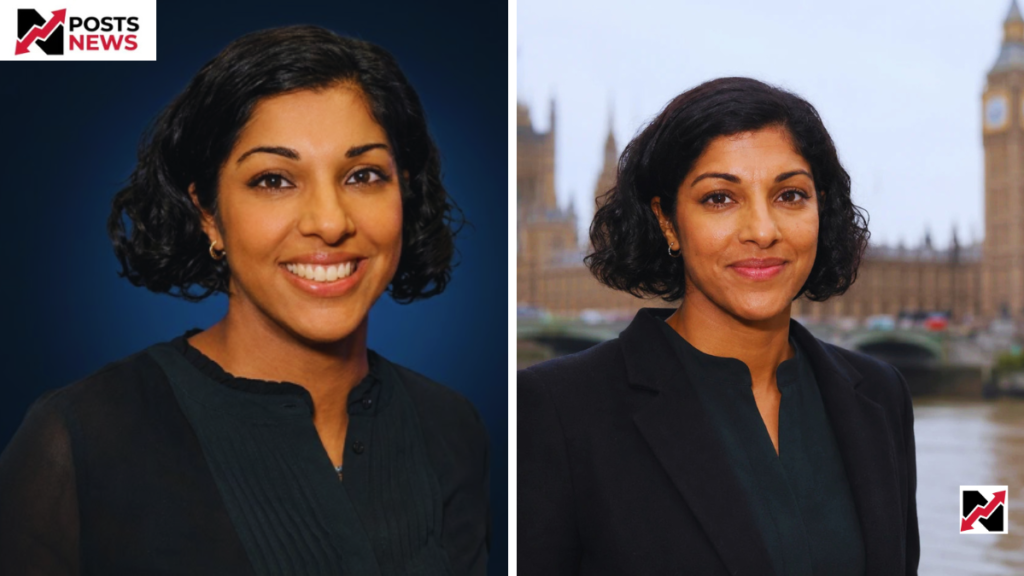
Leila Nathoo Husband When high-profile political journalists deliver nightly updates from outside 10 Downing Street or present intricate investigative radio documentaries, viewers naturally develop a sense of familiarity with them. This phenomenon—where audiences feel a personal connection to broadcasting figures—frequently drives public interest beyond on-screen reports and into personal backgrounds. Leila Nathoo Husband, a prominent BBC political correspondent and investigative journalist, represents a distinct cohort of modern media professionals who maintain a firm boundary between their public broadcasting roles and their private home lives.
While search engine trends continuously show inquiries regarding her personal life, marital status, and potential spouse, official biographical records and broadcast documentation remain focused almost exclusively on her work. Unlike social media influencers or entertainment personalities whose careers thrive on oversharing daily domestic details, investigative journalists operate under a different professional ethos. For figures reporting on high-stakes political developments, holding power to account, and uncovering systemic failures, personal privacy is not merely a preference; it is a vital safeguard that protects impartiality and personal security.
Examining why details regarding her personal life remain private provides compelling insights into how contemporary news anchors navigate the digital age. Rather than feeding public curiosity with superficial revelations, a closer analysis reveals how high-caliber broadcast journalists protect their personal relationships while maintaining standard-setting professional integrity in an increasingly intrusive media environment.
Inside the Career of BBC Political Correspondent Leila Nathoo Husband
From Local Reporting to Westminster Corridors
Leila Nathoo Husband built her journalism career through traditional, rigorous reporting avenues before becoming a recognizable face across national broadcast networks. Her path into top-tier UK political reporting involved mastering fundamental newsroom skills: rapidly synthesizing complex policy documents, verifying source material under extreme time pressure, and delivering live, unscripted updates during rapidly shifting news cycles. Broadcasters who rise through these ranks develop an acute understanding of how news impacts everyday communities, a perspective that heavily informs high-level political coverage.
As her presence within BBC News grew, Nathoo established a reputation for calm, precise, and analytical reporting. Covering major parliamentary debates, general election campaigns, leadership transitions, and diplomatic summits requires a sophisticated understanding of constitutional mechanics and party dynamics. Her live reports from College Green and inside the Palace of Westminster have consistently focused on policy impact rather than political theatre, earning respect across the political spectrum.
Her transition into high-profile political reporting coincided with one of the most turbulent periods in modern British political history. Navigating Brexit negotiations, frequent ministerial changes, and national crises demanded clear, objective, and unflappable broadcasting. Broadcasters in these roles are tasked with breaking down intricate legislative details into digestible insights for millions of viewers, a responsibility that leaves little space—or desire—for personal self-promotion.
Signature Investigative Work and File on 4 Contributions
Beyond rapid-response political news, Nathoo has made significant contributions to long-form investigative journalism, most notably through flagship programs such as BBC Radio 4’s File on 4. Her investigative projects have tackled complex societal issues, including domestic abuse risk assessment protocols, the environmental impacts of industrial pollution, and structural deficiencies within public services. These assignments require exhaustive research, sensitive interviewee handling, and an unshakeable commitment to editorial independence.
In her investigative audio work, Nathoo demonstrates a narrative style that prioritizes victim testimonies and official accountability over theatrical presentation. Uncovering systemic flaws within state institutions demands months of painstaking documentation, background interviews, and legal vetting. Broadcasters engaged in this depth of investigative journalism often cultivate a low personal profile to ensure that attention remains entirely focused on the subjects and findings of their reports.
This dual career trajectory—spanning daily Westminster political reporting and deep-dive investigative features—highlights a comprehensive journalism skillset. Broadcasters operating at this level understand that the credibility of an investigation rests on perceived and actual neutrality. By keeping her personal life, family background, and marital status separate from her broadcast work, Nathoo reinforces the objective authority required when holding powerful bodies accountable.
Public Interest vs. Personal Privacy: Where Journalists Draw the Line
The Boundaries set by Modern Political Broadcasters
The line separating a broadcast journalist’s public duties from their personal existence has shifted dramatically over the past two decades. Historically, news anchors were distant figures who appeared briefly on television screens before returning to completely inaccessible private lives. Today, digital platforms and social media channels encourage constant engagement, creating an expectation that media figures should offer audiences ongoing glimpses behind the curtain.
However, political correspondents frequently choose to resist this trend. Establishing strict personal boundaries serves multiple practical purposes:
- Editoral Neutrality: Obscuring personal political affiliations, family networks, and private life details prevents bad-faith actors from claiming bias in reporting.
- Personal Security: Broadcasters covering controversial political topics or corporate misconduct face heightened security risks; keeping domestic details private minimizes potential threats.
- Source Protection: Maintaining a low-profile personal identity helps protect sensitive whistleblowers and confidential contacts from unwanted exposure.
- Professional Focus: Ensuring that audience discussion centers on the news story itself rather than the personal circumstances of the reporter.
For Nathoo and many of her BBC peers, maintaining these boundaries is a deliberate professional choice. While some public figures leverage personal milestones for public relations management, serious news journalists recognize that personal anonymity strengthens their professional authority.
Why Personal Relationships Are Kept Off-Screen
Inquiries regarding whether a journalist is married, who their partner might be, or what their domestic setup looks like are common search queries online. Yet, when journalists actively choose not to publish information about a spouse, children, or extended family, it reflects a conscious effort to protect those loved ones from public scrutiny. Spouses and family members of media figures did not sign up for public life, and exposing them to online commentary can carry unnecessary burdens.
Furthermore, in an era dominated by online polarization and aggressive social media commentary, political reporters are regularly targeted by partisan critics. If a reporter’s family members or marital status become public knowledge, those details can easily be weaponized by individuals seeking to undermine the reporter’s credibility. Keeping a partner entirely separate from public journalism shields the family unit from political crossfire.
This professional choice highlights a mature approach to broadcasting. By maintaining absolute silence regarding domestic life, high-profile reporters ensure that their professional reputation is built entirely on the accuracy of their reporting, the depth of their investigations, and their adherence to broadcasting standards.
The Dynamics of Public Curiosity Around Media Personalities
The Role of Search Engines in Celebrity Culture
The persistent volume of search queries connecting news reporters with personal keywords—such as “husband,” “partner,” “family,” or “wedding”—demonstrates how search engines mirror human curiosity. Modern internet users routinely search for personal background details about individuals who appear regularly on their screens. This behavior stems from the parasocial relationships viewers develop with broadcasters, where daily exposure creates a feeling of familiarity.
Search engine algorithms frequently highlight these personal queries alongside professional ones, leading content aggregators to generate speculative articles. Many third-party websites publish auto-generated summaries or speculative biographies attempting to answer whether a news figure is married, often presenting recycled or unfounded claims as facts.
Understanding this dynamic explains why accurate, verified information can be difficult to find regarding private news figures. When a professional journalist does not disclose details about a spouse or personal relationship, reputable media outlets respect that choice, leaving speculative blogs as the only platforms offering unverified claims.
Navigating Speculation Without Official Confirmation
In the absence of confirmed public statements, responsible journalism and media ethics dictate that personal details should never be invented or assumed. Speculating on a person’s marital status, personal relationships, or family life based on photos, jewelry, or vague online posts is unreliable and unprofessional.
For Leila Nathoo, the total absence of public commentary regarding a husband or partner is itself a clear statement. It confirms a deliberate strategy to keep her domestic life entirely separate from her work for the BBC and other news organizations. Readers seeking reliable information must distinguish between verified professional biographies and unverified internet speculation.
This distinction is crucial for maintaining healthy media literacy. Evaluating a broadcaster based on their journalistic output—their fairness, rigor, and depth of research—rather than their marital status reflects a more meaningful appreciation of public interest broadcasting.
Leila Nathoo’s Professional Legacy and Media Ethics
Maintaining Professional Neutrality in Political Journalism
Public trust in journalism relies heavily on the perception of impartiality. Under strict editorial guidelines, BBC correspondents are required to maintain balance, avoid presenting personal opinions on policy matters, and refrain from activities that could compromise their professional neutrality. Protecting one’s personal life from public view plays a crucial role in maintaining this standard.
When a news correspondent’s personal life remains completely unpublicized, viewers can evaluate political reporting without bias or assumptions. Whether covering high-stakes parliamentary debates, prime ministerial press conferences, or complex policy disputes, the focus stays entirely on the facts presented.
Nathoo’s disciplined approach to her public profile aligns with these core principles. By allowing her journalistic portfolio—comprising major political broadcasts, investigative podcasts, and deeply researched documentaries—to represent her entirely, she exemplifies the standards expected of top-tier public service broadcasters.
The Changing Landscape of Broadcaster Anonymity and Safety
The modern media landscape presents unique challenges for broadcast journalists, particularly women in the public eye. Online abuse, harassment, and invasive digital tracking have made personal privacy a critical issue for reporters working on major national networks. Securing domestic privacy is now essential for personal safety and professional longevity.
In response to these evolving challenges, many news organizations actively support reporters who choose to keep their personal lives private. Broadcasters are encouraged to implement strict digital privacy measures, secure their social media accounts, and separate their professional broadcasting profiles from personal communication channels.
Leila Nathoo Husband career demonstrates how to navigate these challenges successfully. By delivering high-impact journalism while keeping her personal relationships completely separate from the public eye, she sets a clear standard for professional resilience in modern broadcasting.
Frequently Asked Questions
1. Who is Leila Nathoo’s husband?
Leila Nathoo has never publicly disclosed details regarding her marital status, husband, or personal relationships. She maintains a strict boundary between her private domestic life and her professional career as a journalist.
2. Is BBC political correspondent Leila Nathoo Husband married?
There is no public or official record confirming whether Leila Nathoo Husband is married. She chooses to keep her personal life completely out of the media spotlight to focus entirely on her broadcast journalism.
3. What is Leila Nathoo Husband best known for in her career?
Leila Nathoo is best known for her work as a BBC political correspondent and investigative journalist. She regularly appears on BBC News, reporting on Westminster politics, parliamentary affairs, and presenting long-form investigative reports for programs such as BBC Radio 4’s File on 4.
4. Why is there so little information available about Leila Nathoo’s personal life?
As a broadcast journalist covering sensitive political topics and conducting deep-dive investigations, Leila Nathoo maintains a low personal profile. This practice helps safeguard editorial neutrality, protect personal safety, and ensure public focus remains on her professional reporting.
5. Has Leila Nathoo Husband ever spoken publicly about her partner or family?
No, Leila Nathoo does not discuss her partner, family, or domestic arrangements in interviews or on public social media channels. Her public appearances and digital presence are dedicated strictly to her journalistic work.
6. Where did Leila Nathoo study journalism?
Leila Nathoo pursued higher education and formal journalism training in the United Kingdom before building her reporting career through local and regional media, eventually advancing to national broadcasting with the BBC.
7. Does Leila Nathoo maintain active social media accounts?
Leila Nathoo Husband uses social media primarily for professional purposes, sharing BBC news updates, political reporting, and investigative broadcasts. She does not use public platforms to share personal photos or updates regarding her home life.
8. How do BBC editorial guidelines address the personal privacy of correspondents?
BBC editorial guidelines emphasize political impartiality, fairness, and personal security. While journalists are encouraged to engage with audiences professionally, the BBC supports reporters in maintaining complete privacy regarding their families, personal relationships, and off-screen domestic lives.
Final Summary
Leila Nathoo Husband stands out as a highly respected figure in contemporary British broadcasting, recognized for her sharp political analysis, clear live reporting, and thorough investigative work. While online search queries regarding her husband and personal life reflect ongoing public curiosity, Nathoo has consistently chosen to keep her domestic life completely private. This deliberate separation safeguards her editorial independence, protects her family from unnecessary public scrutiny, and reinforces her commitment to professional journalism. In an era where media culture often encourages personal overexposure, her career demonstrates that professional authority and public trust are best earned through rigorous, high-quality reporting.